Avi Flombaum, speaker

Talks about learning & loving
hard things.

Founder of Flatiron School. Taught 10,000+ people to code. Three talks on teaching, the internet, and building products, each ready for your conference, company, or classroom.

love.avi.nyc

How to
Teach Love

Why learning to love matters, and how stories, context, and abstraction can teach it.

A talk for anyone who has to make other people care about something complicated. It uses Fred Rogers, Picasso's bulls, PageRank, and a class named Atom to show how stories, context, and abstraction turn a topic into something worth loving. Teams that onboard engineers, run bootcamps, or teach anything walk out with a method they can use the next morning.

Runs
About 45 minutes
Best for
Teachers, mentors, and engineers who onboard people
You leave with
A way to turn any topic into a story worth loving
  1. Why is learning to love important?
  2. Meaning is connection.
  3. Every lesson needs an inciting incident.
  4. Nothing exists in a vacuum.
  5. Remove details. Hide information. Encapsulate.
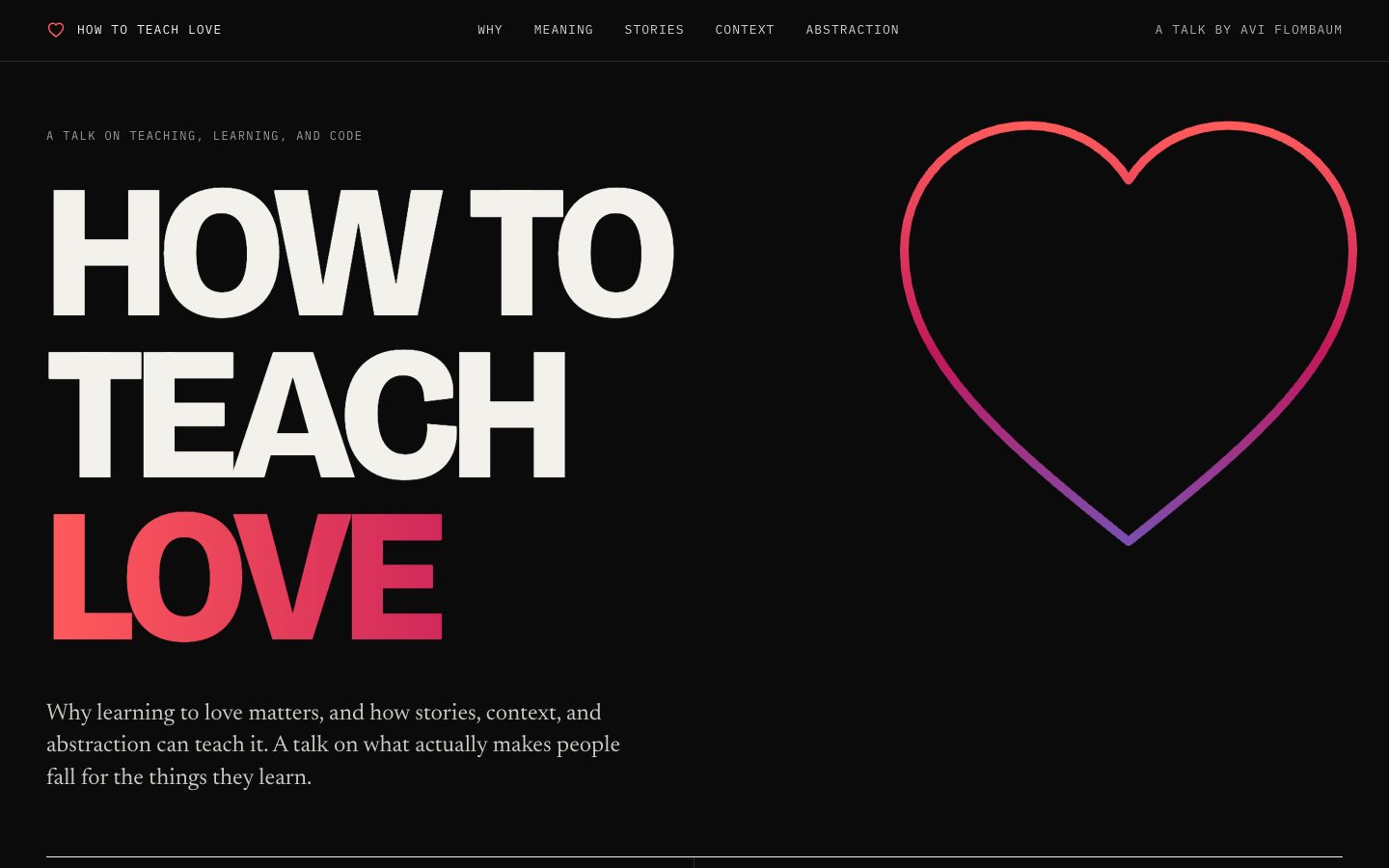
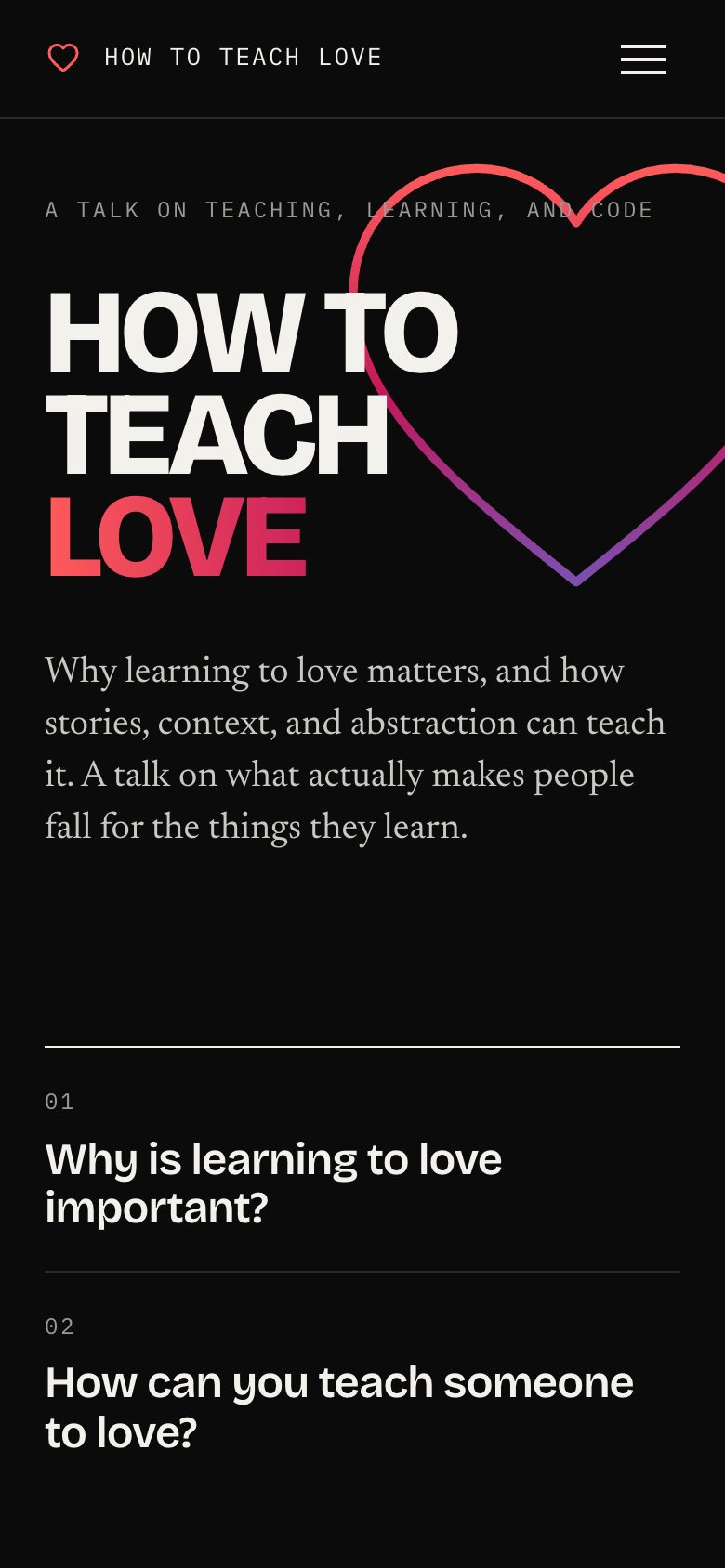
love.avi.nyc The How to Teach Love microsite: a giant title and an outlined gradient heart on black

internet.avi.nyc

What happens when you press <enter>?

How the magic of the internet works and why it's important.

The most requested talk. It covers the entire history of communication and computing, from cave paintings to Claude Shannon, fast enough to stay fun, then slows down for a careful walk through what actually happens between a browser and a server. It works for a room of brand new developers and for engineers who have shipped for years and still wanted the full picture.

Runs
About an hour, with a lot of pictures
Best for
New developers, curious non-engineers, anyone who has typed a URL
You leave with
A mental model of the internet you can draw on a napkin
  1. A complete history of human communication.
  2. A thorough history of machines and computing.
  3. Franklin, Lovelace, Faraday, Tesla, Turing, Shannon, Hopper, Cerf.
  4. It's basically very physical.
  5. If we hide information, things become simpler.
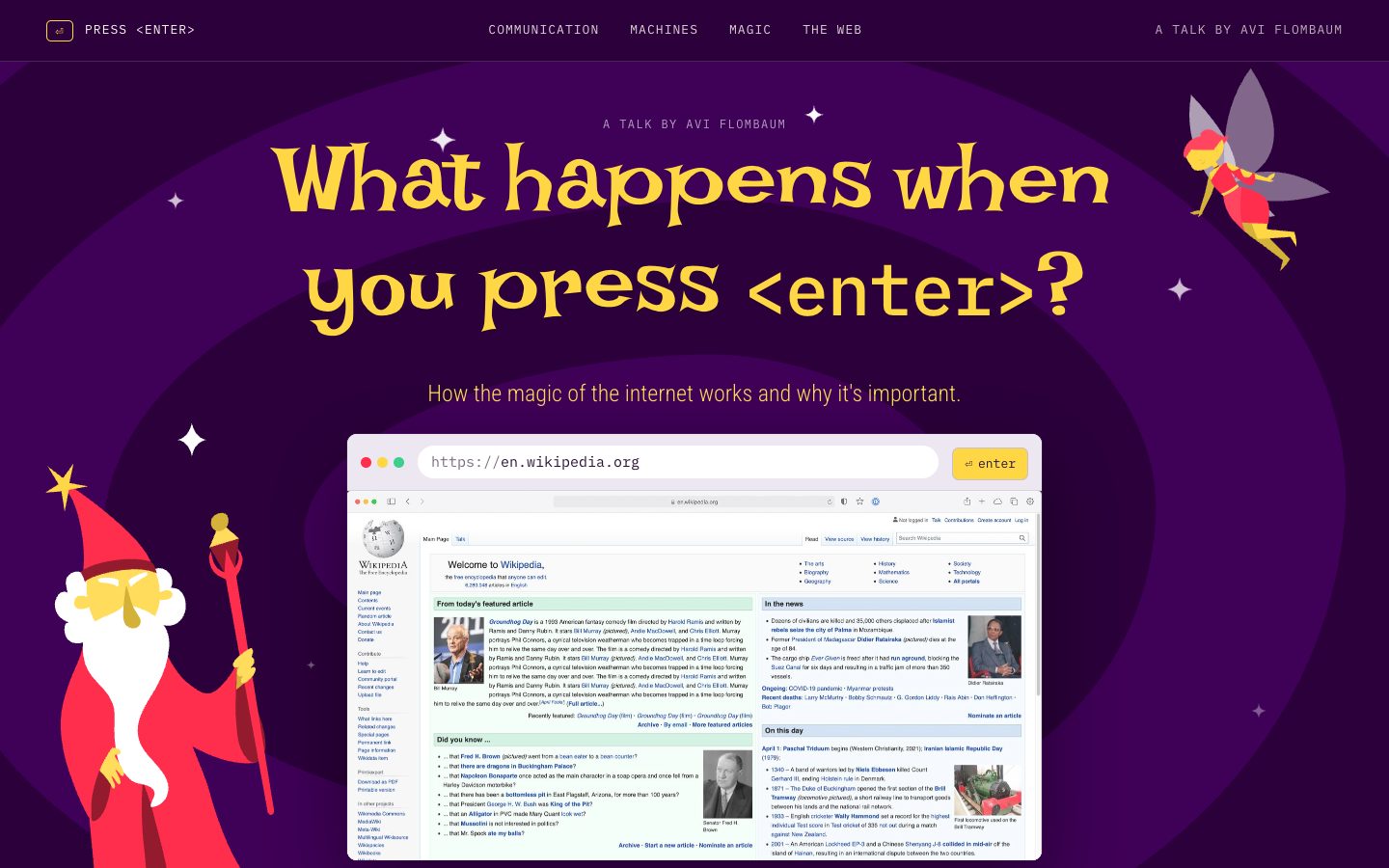
internet.avi.nyc The Press Enter microsite: a purple sky, a wizard, a fairy, and a browser loading Wikipedia

product.avi.nyc

What makes a great product?

Products make something hard to do easy.

For founders, product teams, and engineers who want to own outcomes. It is organized around a waterline: the part of a product a user sees, and the iceberg of complexity underneath that they never should. Real specs, real wireframes, a grading spreadsheet that became a real product, and a case that your process is a product too.

Runs
About 40 minutes, plus questions
Best for
Founders, product managers, engineers who want to own outcomes
You leave with
A way to turn the questions people keep asking into products
  1. Think about answering questions.
  2. Hide the complexity under the waterline.
  3. How to make your problems into products.
  4. Narratives, specs, and craft.
  5. Product influences process.
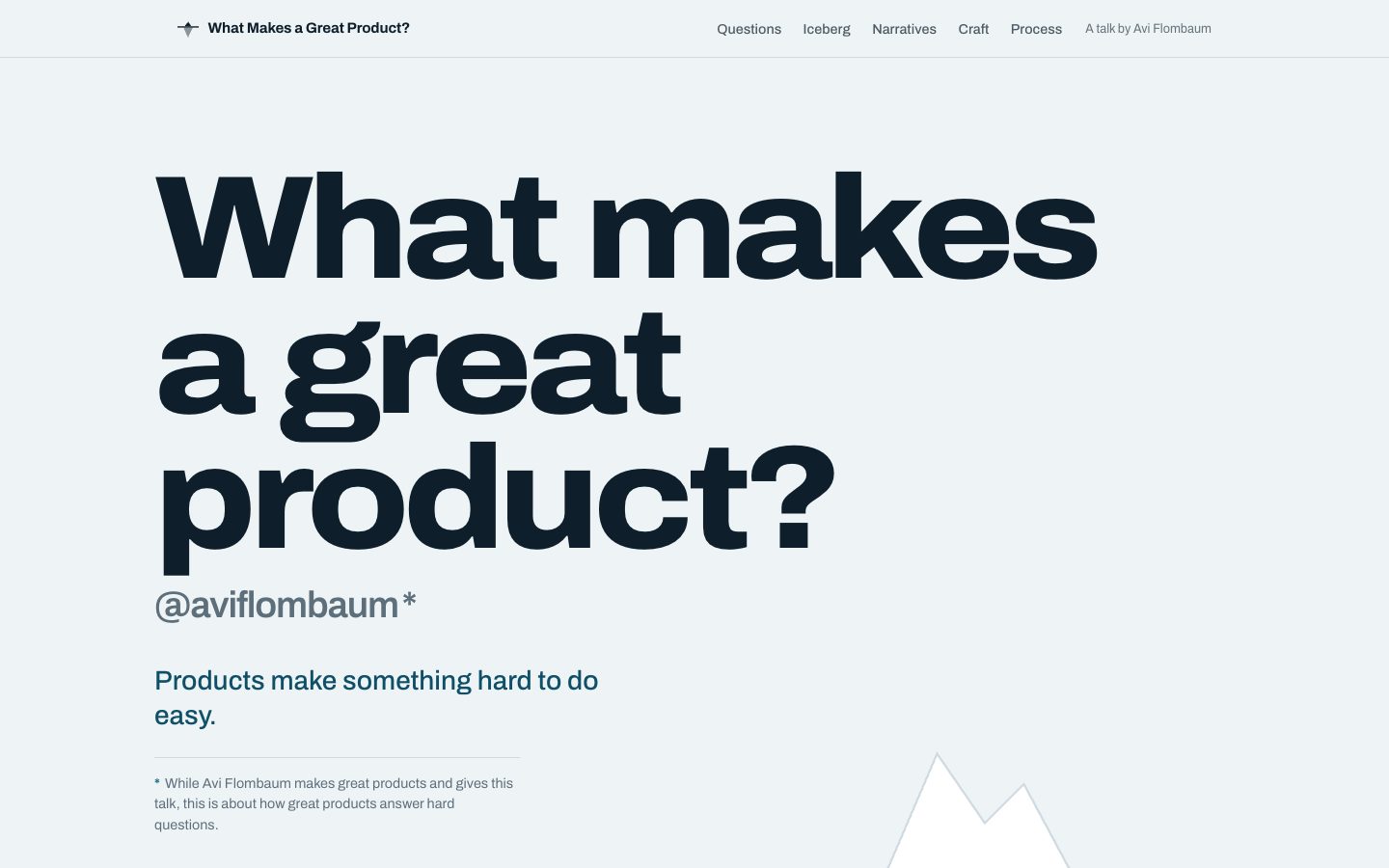
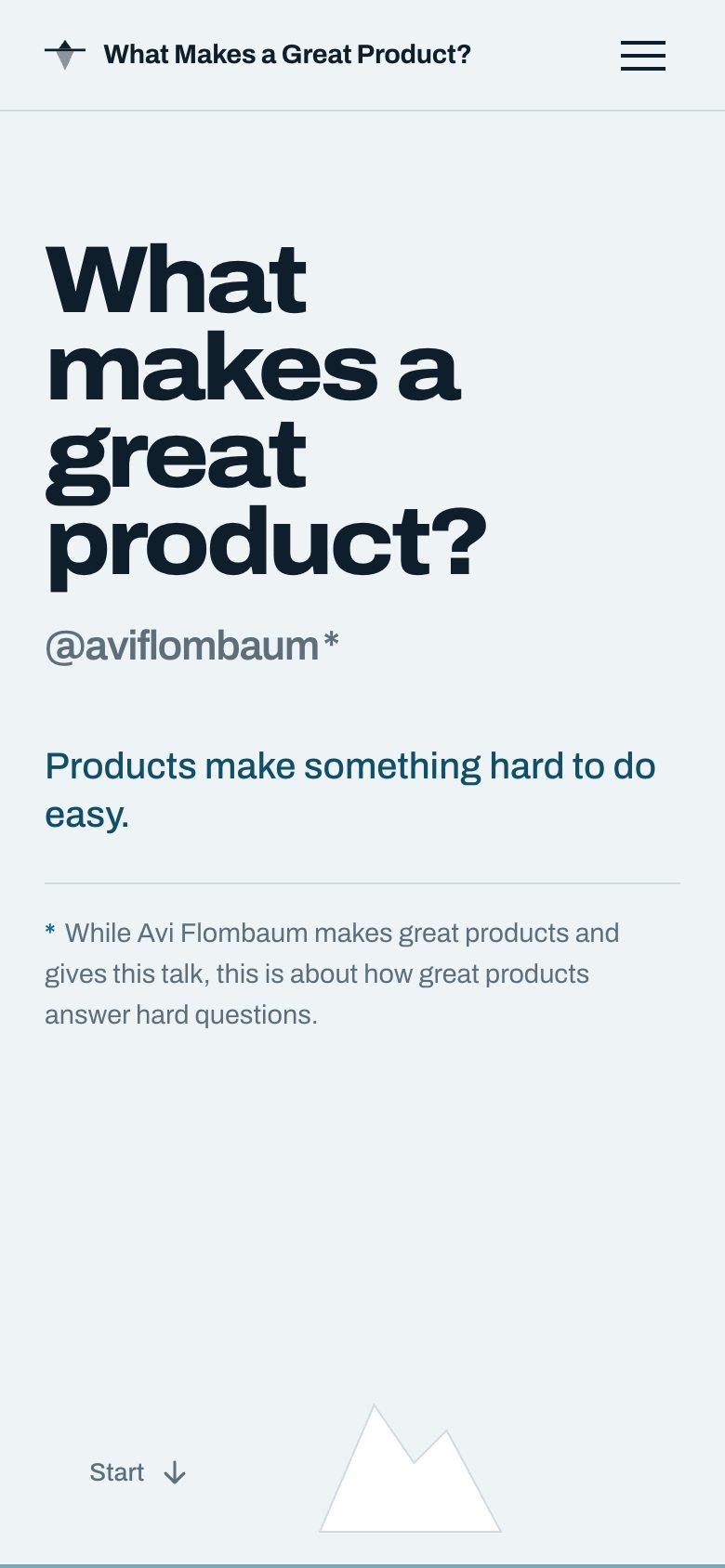
product.avi.nyc The Great Product microsite: an enormous headline on ice blue with the tip of an iceberg
The things we love in life are abstract.
Teaching is finding what to love.

From How to Teach Love

Avi Flombaum, smiling, black and white
Avi, mid-laugh, probably about a bug.

Avi Flombaum has been explaining computers to humans since 2012.

Avi is a founder, product engineer, and educator in New York City. He founded Flatiron School and taught more than 10,000 people to code, then built Learn.co, the learning platform that inspired GitHub Codespaces. He co-founded Kode With Klossy with Karlie Kloss.

These days he builds AI-powered tools and spends a lot of time thinking about how agents change the way software gets made. On stage he is the same as in a classroom: stories first, diagrams second, and no slide that needs reading.

  • 10,000+students taught to code
  • 3talks, each with its own site and slides
  • NYCbased, happy to travel
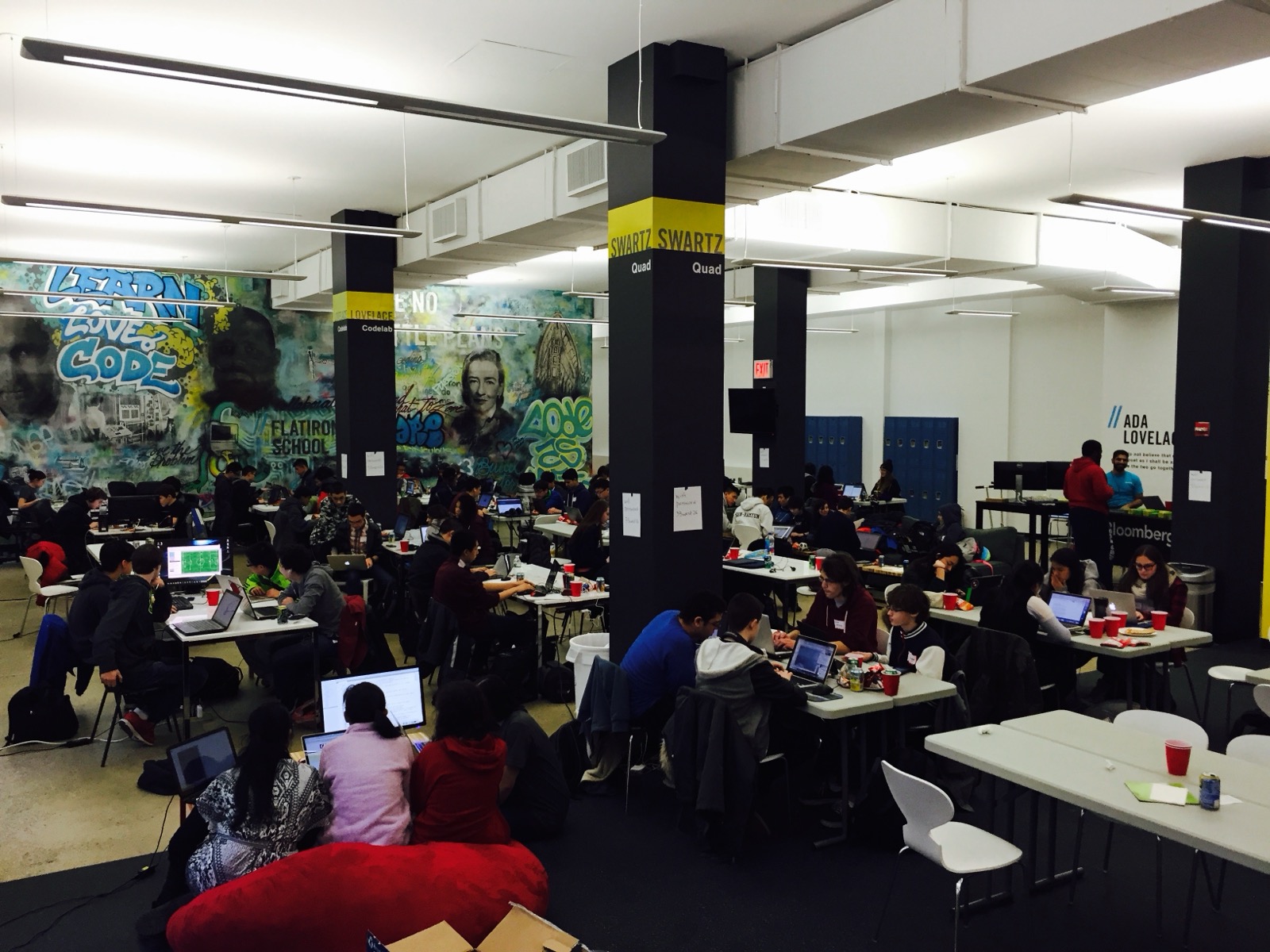
A packed classroom at Flatiron School, students at laptops beneath a mural reading Learn Love Code
Where the talks were first given. Flatiron School, Manhattan.

Featured in

Logos from Business Insider, CNBC, The New York Times, Forbes, ABC News, PBS, The Wall Street Journal, TechCrunch, Fast Company, The New York Observer, and Vogue

Bring one of these to your audience.

Conferences, company all-hands, engineering onboarding, university lectures, and bootcamp cohorts. Send the date, the audience, and which talk you have in mind. Replies come from Avi, not an assistant.

  • Keynote20 to 30 minutes. The core story of one talk, tuned to your theme.
  • Full talk45 to 60 minutes with questions. The version on each site.
  • WorkshopA half day. The talk, then hands-on work with your team.
Email im@avi.nyc

Or find Avi on X, GitHub, and avi.nyc.